

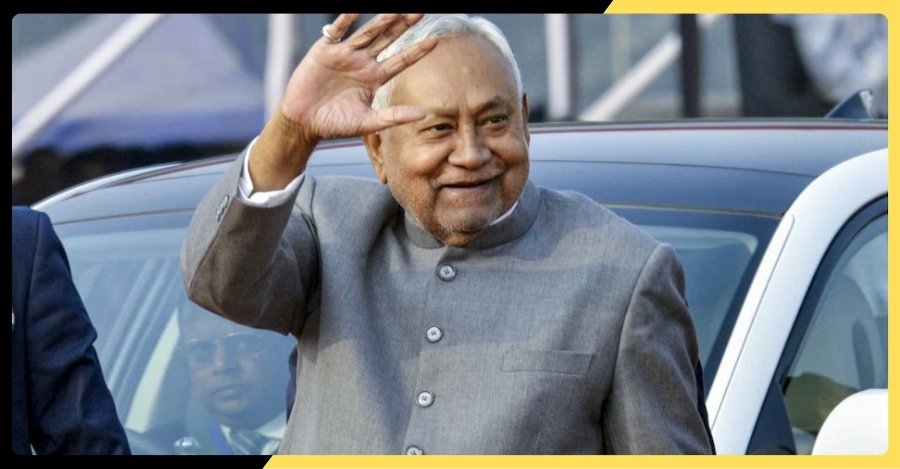
Political anticipation is building in Bihar as reports circulate that Chief Minister Nitish Kumar may soon head to the Rajya Sabha. Though leaders from the ruling coalition have refrained from confirming the development, the speculation has sparked widespread debate about the future of governance in the state.
In New Delhi, senior alliance figures are believed to be closely monitoring the situation. The possible transition would not only impact Bihar but also influence the ruling coalition’s national legislative strategy.
For the Janata Dal (United), the scenario presents both opportunity and challenge. The party has been built around Nitish Kumar’s leadership for decades. Moving him to the Rajya Sabha could elevate his national stature, but it would also necessitate a strong successor in the state.
Meanwhile, the Bharatiya Janata Party may view the situation as a chance to deepen its administrative role in Bihar. As the dominant partner in the alliance numerically, the BJP has long been seen as a potential claimant to the chief minister’s office.
Political analysts emphasize that transitions in coalition governments require delicate handling. Maintaining alliance unity while managing leadership changes demands consensus-building at multiple levels.
Opposition voices from the Rashtriya Janata Dal have urged the government to provide clear communication. They contend that speculation can distract from policy implementation and governance efficiency.
If Nitish Kumar assumes a Rajya Sabha seat, his experience could strengthen parliamentary debates on development, rural policy, and fiscal coordination between states and the Centre. Supporters argue that his administrative track record equips him to play a significant national role.
For now, the political atmosphere remains cautious. Citizens await official confirmation, while parties quietly prepare for multiple scenarios. Whether the moment signals a historic shift or merely political conjecture, Bihar stands at a potentially pivotal juncture.

Leave a Reply